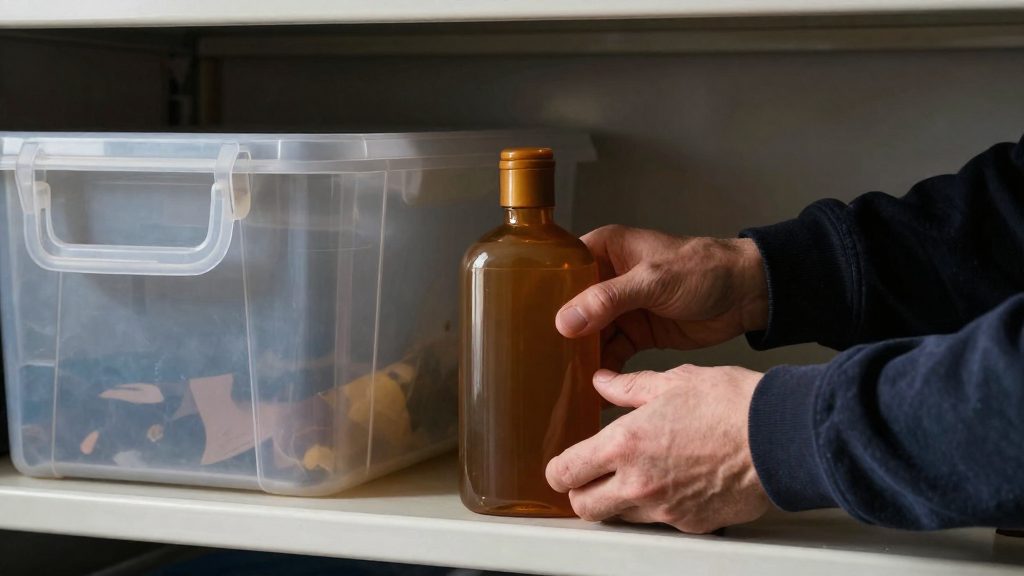
Manufacturers don’t publish one shelf life for all resins. The only shelf-life figure in the verified guidance is a two-year claim for Siraya Tech Form resin, and Siraya pairs it with a much shorter recommended use window. Treat any duration as specific to the product, and check the label and manufacturer’s instructions for the bottle you own.
How long does unused resin last?
Siraya Tech lists a two-year shelf life for its Form resin but recommends using it within six months. The two figures answer different questions: the first is how long the product is stated to keep, and the second is the period the manufacturer recommends for use.
The gap matters because a resin can still be within its stated shelf life and past the recommended use window. Carbon warns that resin can thicken with age, which may affect printability, material properties and dimensional accuracy. A bottle within its printed date can therefore still print poorly.
The two-year figure applies only to Siraya Tech Form resin. No universal shelf life for consumer printing resin has been established, so don’t apply it to other brands or formulations.
To check your own bottle:
- Read the date and any shelf-life or use-by wording printed on the label.
- Compare it with the manufacturer’s stated shelf life and recommended use window in its instructions.
- If the label or instructions give no date, contact the manufacturer before relying on the resin.
Storage guidance for unused resin varies by brand and formulation:
| Source | Product scope | Container | Light and location | Temperature | Shelf life or timing |
|---|---|---|---|---|---|
| Formlabs | Resin left in a printer tank | Separate opaque wide-mouth HDPE or polypropylene bottle; do not pour back into cartridges | Opaque container, away from direct sunlight, dry and well-ventilated area | 50–77°F (10–25°C) for Formlabs resins | Not stated |
| Prusa Research | Resin in general | Original, properly sealed container | Dark room; out of reach of children and pets | Stable temperature (no value given) | Not stated |
| Carbon | Resin bottles and cartridges | Secondary containment for containers removed from shipping boxes | Keep out of direct sunlight even when opaque; dark cabinet with latching doors for small containers | Some resins require refrigeration; others can crystallize at lower temperatures | Warns that resin can thicken with age |
| Siraya Tech | Form resin | Not stated | Not stated | Not stated | Two-year shelf life listed; use within six months recommended |
Choose the right storage container
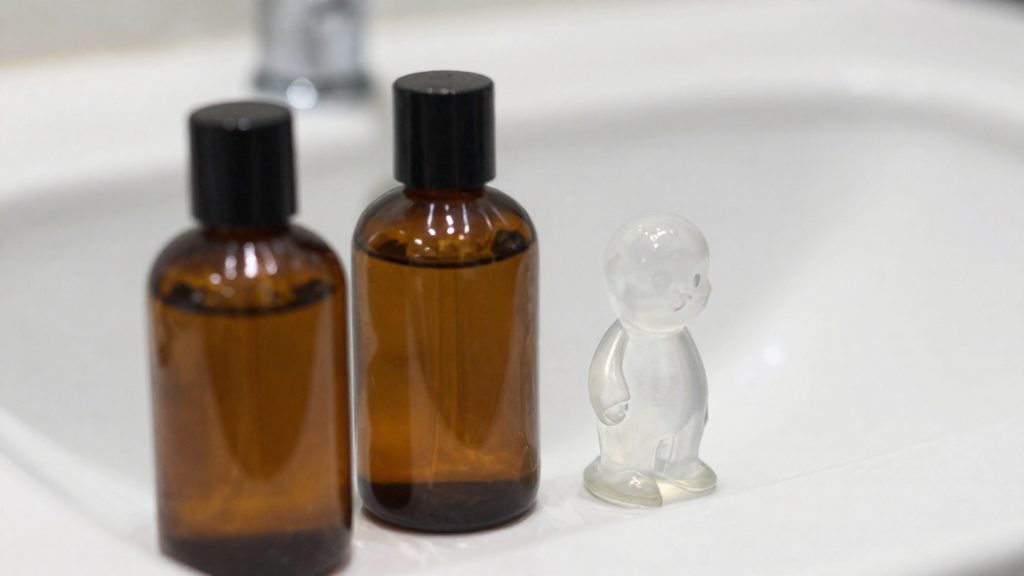
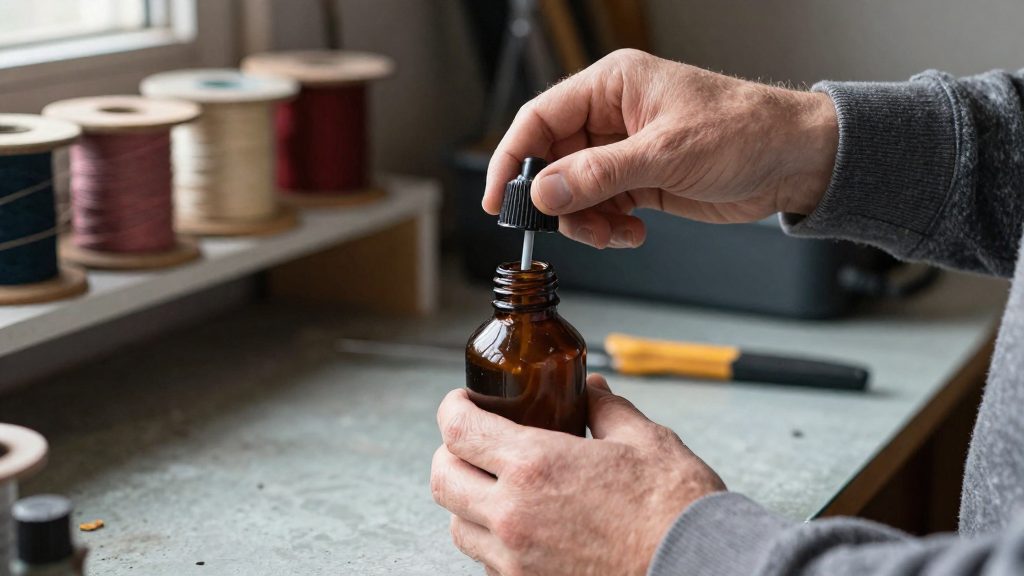
Container choice depends on whether the resin is unused or has already been in a printer. For resin left in a printer tank, Formlabs recommends transferring it to a separate opaque container, preferably a wide-mouth HDPE or polypropylene bottle. Opaque walls keep light off the stored resin, and a separate bottle keeps it apart from the printer’s vat.
For unused resin, Prusa Research recommends keeping it in its original, properly sealed container. Resin bought in its supplied packaging therefore does not need to be decanted, provided the seal is intact after each use.
Control temperature and block sunlight
Formlabs recommends storing its resins at 50–77°F (10–25°C), away from direct sunlight, in a dry, cool, well-ventilated area. That band applies to Formlabs resins, so check the label or manufacturer instructions before using it for another brand.
Direct sunlight is a separate risk from temperature. Carbon advises keeping resin containers out of direct sunlight even when they are opaque, so an opaque bottle alone does not replace a dark storage spot. Prusa Research recommends a dark room with a stable temperature.
For small containers, Carbon suggests a dark cabinet with latching doors. Practical steps:
- Place bottles inside the cabinet and close the latching doors so light stays out.
- Choose a spot away from windows, where temperature swings are smaller.
- Keep the cabinet out of reach of children and pets, as Prusa Research advises.
Refrigeration and low-temperature risk
Refrigeration is not a general storage method for consumer resin. Carbon notes that some of its resins require refrigeration, while others can crystallize at low temperatures. Prusa Research warns that cold storage can cause gelation, so a fridge or freezer can damage a resin that was not designed for it.
Can resin stay in the vat?
Resin should not stay in the printer vat for long-term storage. The vat is the printing reservoir, so leftovers belong in their own container once you know the printer will sit unused for an extended period.
Leaving resin in the vat exposes it to the same aging processes as stored bottles.
No universal maximum duration for leaving resin in a vat was established. Check the manufacturer’s instructions for the specific resin you use before deciding how long it can stay in the printer.
Prevent contamination when storing leftover resin
Contamination is the main risk once resin has left its original packaging. Formlabs advises against pouring tank resin back into its cartridges because this can introduce contamination. For Formlabs tank resin, use a separate opaque container for long-term storage. For other products, follow the manufacturer’s instructions on returning recovered resin to its original packaging.
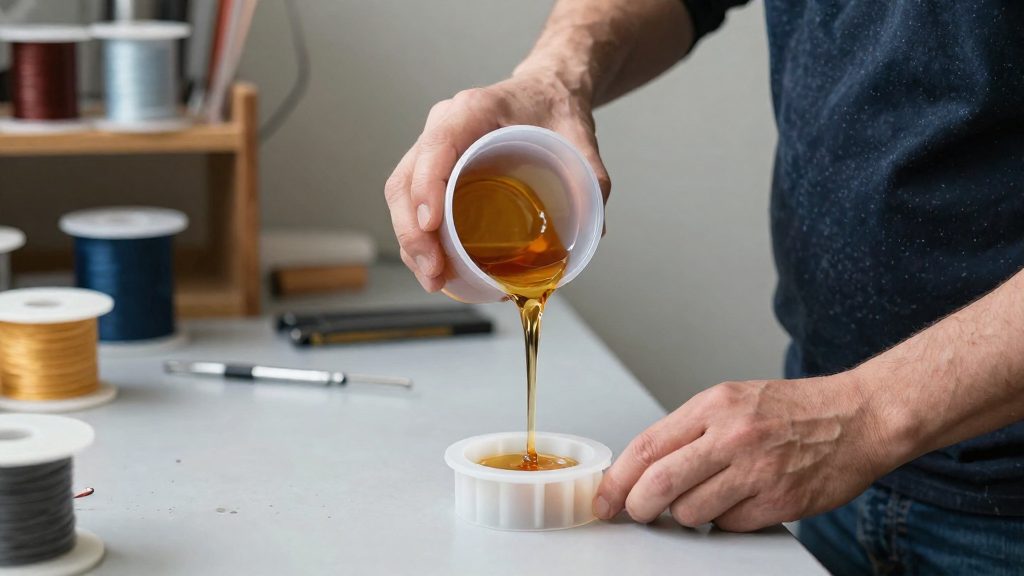
Keep each resin in its own sealed container. Close the lid tightly after every pour, and store each product in a container dedicated to it. Do not combine two resins in one bottle, even when both are the same brand.
Handling habits that keep each batch clean:
- Transfer leftover tank resin only into an empty, dedicated container.
- Reseal the original bottle or cartridge immediately after taking resin out.
- Label each transferred container with the resin name and the date it was poured.
- Keep sealed containers in one place, away from other products, so no container is opened by mistake.
Aging is the second reason to keep batches separate. A sealed, clearly labelled container makes it easier to tell which batch is older and to test it before use.
Check stored resin before printing
Stored resin can change in ways you can see before you print. Formlabs recommends shaking the cartridge and stirring tank resin before printing, then checking for unusually high viscosity or clumps, which can indicate aging. Run these checks on every batch that has sat unused.
Shake cartridges before every print
Shake each cartridge before you print with it. Siraya Tech notes that prolonged storage can cause the components and pigments to separate, so the shake is what recombines them into a uniform mix. If pigments remain separated after mixing as the manufacturer directs, contact the manufacturer before using the resin; persistent separation alone does not establish that it has aged beyond its usable life.
Stir tank resin and spot clumps
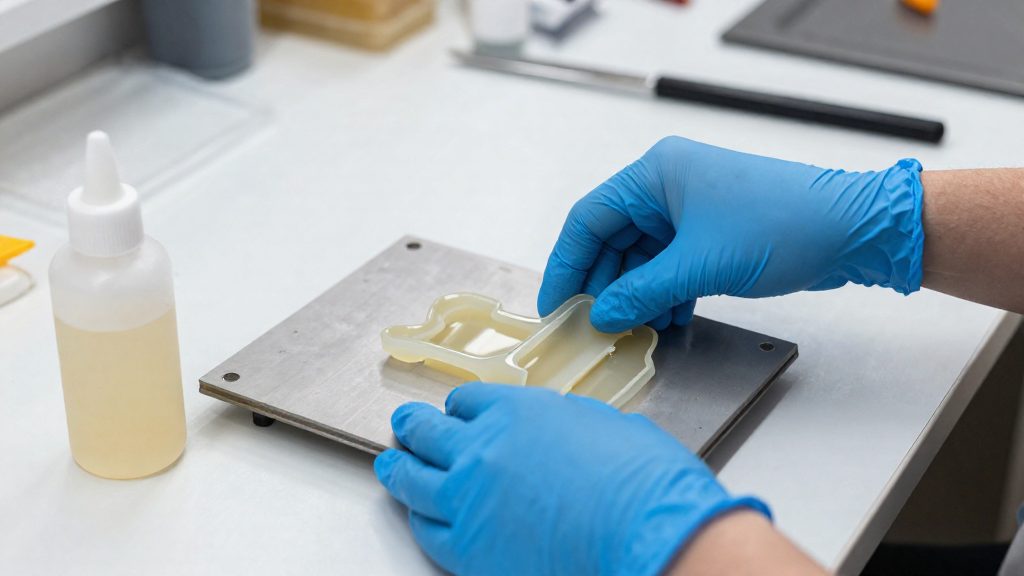
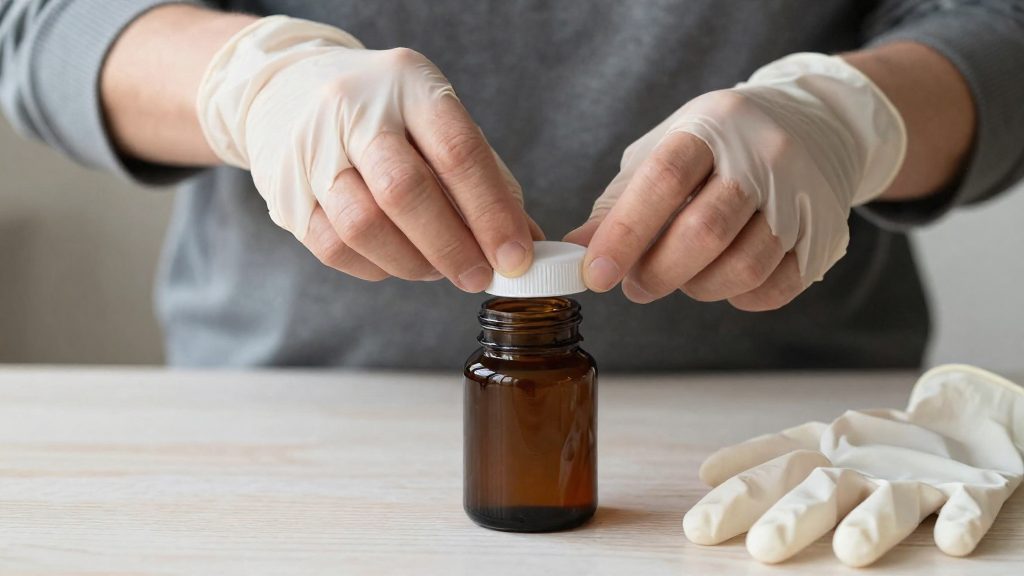
Stir resin left in the vat before starting a job, then look for clumps. Any lumps that do not dissolve back into the liquid are a reason to stop and investigate the batch. Handle the resin with chemically resistant nitrile or neoprene gloves, as Formlabs recommends.
Signs of separation, clumps and high viscosity
If a batch shows separation, clumps or high viscosity, check the manufacturer’s instructions or contact the manufacturer before using it.
Handle and store resin safely
Stored resin is a chemical product, so the main risks are accidental ingestion, skin contact and leaks. Keeping the container sealed, away from people and animals, and inside a contained space limits all three.
Keep resin away from children and pets. Prusa recommends storing resin out of reach of children and pets, in its original, properly sealed container. Keep the bottle on a high shelf or inside a lockable cabinet rather than on an open workbench or a floor-level shelf.
Use a ventilated storage area. Formlabs recommends a dry, cool, well-ventilated area for storing its resins, away from direct sunlight. Store closed resin containers in a well-ventilated area, following the product’s safety data sheet. Secondary containment serves a separate purpose: containing leaks.
Add secondary containment. Carbon recommends secondary containment for resin bottles and cartridges removed from their shipping boxes, to help contain leaks. Place each bottle in a tray or a sealed plastic box so that a cracked cap or a tipped container stays inside a single, easy-to-clean area.
Formlabs recommends chemically resistant nitrile or neoprene gloves when handling liquid resin, and identifies the product’s safety data sheet as the primary safety reference. Read the safety data sheet for your specific resin before storing it.