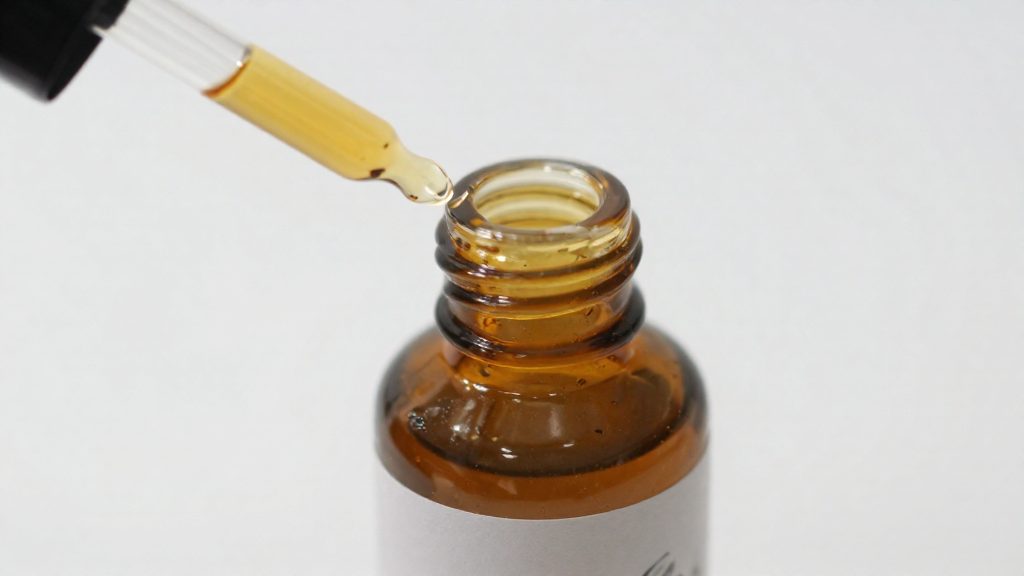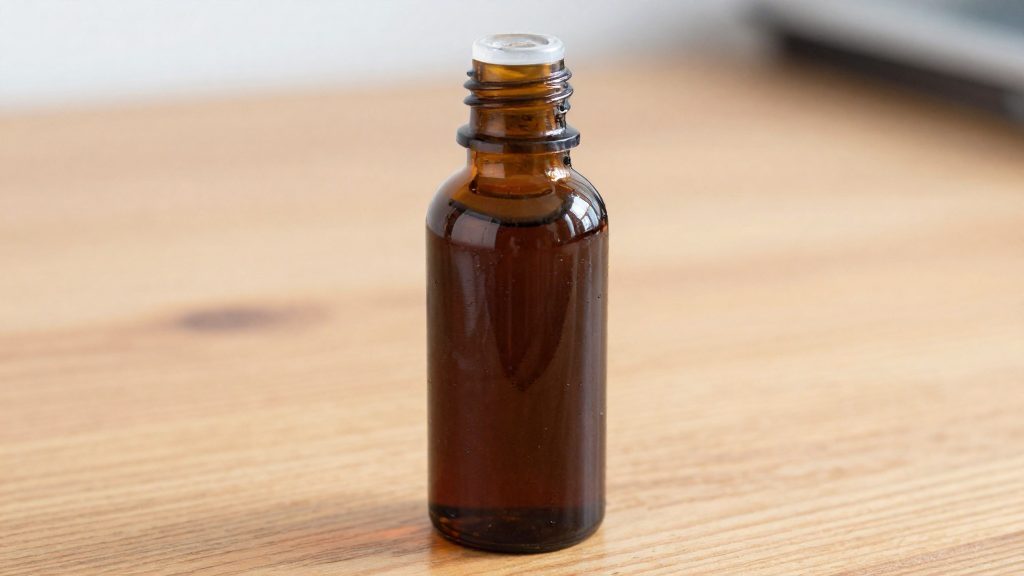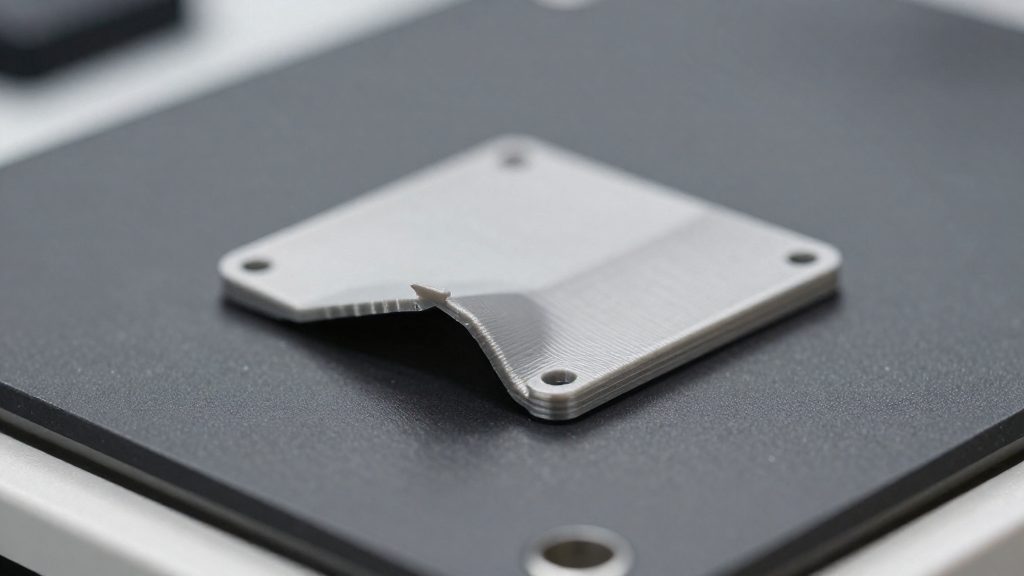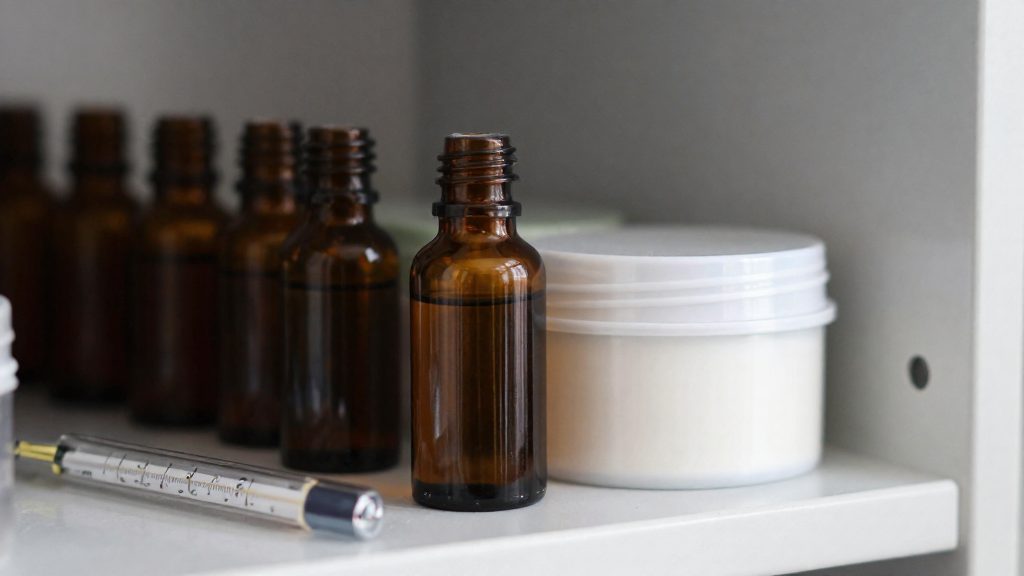
Unused resin goes bad mainly because of three factors: exposure to light, heat, and time spent sitting still. Resin is a light-sensitive liquid that hardens when exposed to UV, so ambient light can start curing it. The components of the mixture also separate while the bottle sits. Any of these can leave resin that prints poorly or no longer cures as intended.
Why does unused resin go bad?
Light-triggered curing from ambient exposure
Resin hardens under UV light, so light-triggered curing is the most direct threat to stored stock. Daylight reaching a bottle, or a tank left uncovered, can start the reaction before the resin is ever printed.
Heat-accelerated degradation
Heat is the second driver of spoilage. Storing resin outside the recommended temperature range speeds up heat-accelerated degradation of its chemistry, so a bottle kept in a hot room ages faster than one kept in a stable, moderate spot. The problem is cumulative: the longer resin spends outside its range, the more its properties shift. Temperature control therefore matters as much as keeping light out.
Component settling over time
Resin is a mixture, and its component settling is a steady process while the bottle stands. Settled material means the liquid no longer matches the formulation it was designed to have, which can change how it prints.
Choose the right container
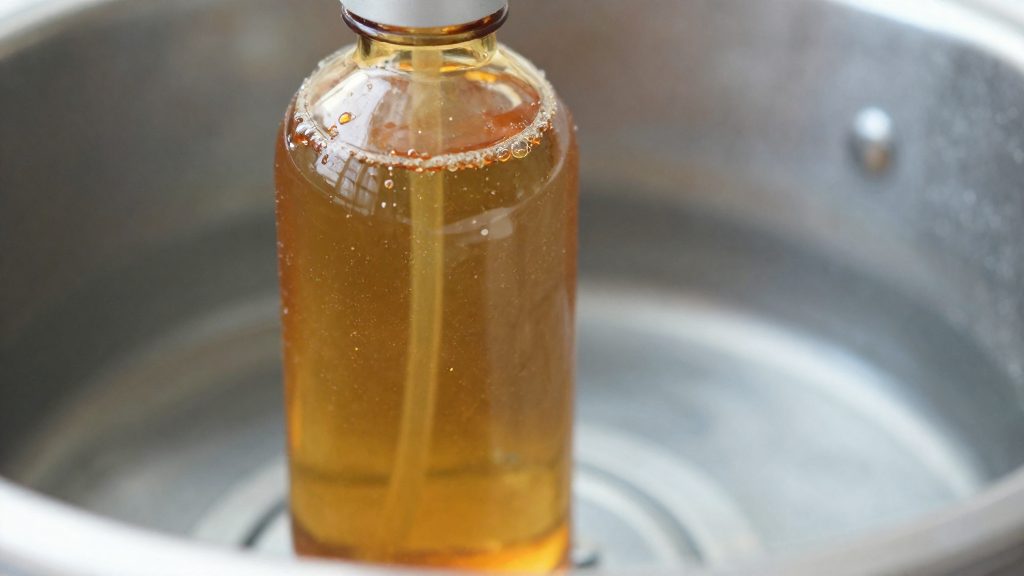
The default container is the original bottle the resin came in. According to 3D Insider (2026), resin should be stored in its original opaque, UV-resistant bottle. This is the only option the sources recommend without conditions, so use it whenever it is still intact.
If the original bottle is lost or damaged, transfer the resin to an airtight, opaque alternative. The sources set two requirements for a replacement: it must block light, and it must seal tightly. Opacity protects the resin from UV exposure, and an airtight seal limits its contact with air.
| Container | Status | Requirement |
|---|---|---|
| Original bottle | Default choice | Opaque and UV-resistant |
| Alternative bottle | Use when the original is unavailable | Airtight, opaque and clearly labelled |
| Clear or translucent container | Not recommended | Does not meet the opaque requirement |
Keep old and new resin separate
Never pour fresh resin into a container that still holds older resin. The sources state directly: do not mix old and new resin. Mixing batches makes it impossible to tell which resin is older.
Give each container a single batch of resin. Write the resin name and transfer date on the label so each bottle can be identified at a glance. If a bottle is nearly empty, keep it as its own batch rather than topping it up with a newer resin.
Where should you store resin bottles?
Store sealed resin bottles in a well-ventilated room or cabinet, not in a closed space where fumes would build up. A ventilated cupboard in a room that stays within the temperature window meets this requirement; a garage shelf only does so if its temperature stays in range. A sealed drawer in a living space does not. Choose a spot with real air circulation and check your resin manufacturer’s guidance.
Choose a spot you can reach easily. Unused resin needs to be shaken at least every two weeks to keep it mixed, according to UniZ (manufacturer support, 2026). A cabinet at eye level or a front shelf makes that routine easy to keep. A bottle buried behind other items is likely to be skipped.
Organise the shelf by age. Put the oldest bottles first so they are used before they expire.
Ideal temperature and light
Unused resin stores best within a 5 to 30 °C (41–86 °F) window. According to 3D Insider (2026), temperatures outside this range speed up deterioration. The same source gives the range without naming a primary source, so treat it as a practical guideline rather than a manufacturer specification. Before choosing a storage spot, check its temperature over a day or two, especially in spaces such as garages, sheds and attics that can swing well outside the window.
Light is the second control. UniZ (2026) advises keeping unused resin away from direct sunlight and in a well-ventilated area. Avoid any position where bottles receive direct sun, even through a window.
Temperature and light act together. A bottle kept in a shaded spot that stays within range is protected from both the heat-related deterioration described above and direct sun exposure. Keep the bottle closed between sessions so the resin is not repeatedly exposed to the room air during storage.
Should you leave resin in the vat?
Resin can stay in the tank between prints for a short time, but it should not sit there as storage. UniZ advises against leaving used resin in the tank for more than 12 hours after printing. After that window, return it to a bottle.
Treat the tank as a temporary holder. A practical end-of-session routine:
- Note when the last print finished, so you know when the 12-hour window closes.
- Pour leftover tank resin back into a bottle promptly, rather than waiting for the next session.
- Use the original bottle where possible. If you need another container, use an airtight opaque one and label it.
- Place the lid on the tank. Once a tank has held resin, keep it covered with its light-blocking lid and out of direct sunlight.
Resin left in the tank beyond the window should be returned to a bottle promptly. Spilled resin and anything contaminated by it should be treated as uncured resin waste and disposed of as described below.
How long does resin last?
Sealed resin typically lasts about one year after production, according to 3D Insider (2026). The exact shelf life varies by brand and by resin, so check the production date on the bottle and the manufacturer’s stated period before planning a long gap between prints.
When you have several bottles, use the oldest bottles first.
Resin left in a tank follows a separate limit. Once a tank has held resin, keep it covered with its light-blocking lid and away from direct sunlight. Empty the tank or use the excess resin before storing it for more than one month, as Formlabs (2026) advises. Some Formlabs resins degrade tanks faster, so do not store those resins in a tank for more than one month.
To limit tank exposure, return leftover resin to a bottle as soon as the print finishes.
Shake and mix before reuse
Stored resin can separate while it sits, so the bottle needs regular shaking, and it needs mixing again before each print. These are two separate steps. Shaking keeps the stored bottle uniform over time, and mixing makes sure the resin you pour into the tank is uniform at that moment.
Shaking stored bottles
According to UniZ (manufacturer support, 2026), stored resin bottles should be shaken at least every two weeks. The two-week figure is a minimum. A bottle left untouched for longer should be shaken before its next use. Shake the bottle while it is closed, then return it to storage.
Mixing before each print
Mix the resin thoroughly before every print, including prints made soon after a shake. A bottle shaken the day before still needs mixing before the resin goes into the tank, because the shake and the mix serve different purposes. Skipping the mix can leave the tank with resin that does not match the bottle’s contents, which affects the print’s results.
Filtering
Before reusing resin that has been stored for a long time, check the manufacturer’s documentation for your specific resin.
How do you dispose of old resin safely?
Uncured resin is toxic, so it should not go into household bins or drains in liquid form. According to 3D Insider (2026), resin waste must be cured fully in sunlight before disposal. This rule covers more than the resin itself. It also applies to gloves, paper towels, and any other waste contaminated with IPA (isopropyl alcohol), which is commonly used to clean printed parts.
Keep the waste separate from other materials while it cures. Spread the gloves, towels, and wipes in a sunny spot so they can harden, and leave the resin in its container in direct sunlight until no liquid remains.
The sequence for each batch of waste:
- Collect all uncured resin residue, resin-soaked gloves, paper towels, and IPA-contaminated wipes in one place.
- Cure in sunlight until the material is fully hardened. Any liquid or tackiness means curing is incomplete.
- Dispose of the fully cured waste only after step 2 is complete.
Check with your municipal waste service before putting cured resin in the bin.
Frequently asked questions
Can I keep resin in the tank between prints?
Only for a short time. Return leftover resin to its bottle soon after printing, because UniZ advises against leaving used resin in the tank for more than 12 hours. If you plan to store a tank for longer, empty it or use up the excess first, since Formlabs warns that some of its resins can degrade tanks faster.
How long does resin stay usable on the shelf?
Sealed resin usually lasts about one year from the production date, though the exact shelf life depends on the brand and formulation. Check the bottle’s date and use the oldest stock first. Keep in mind that the manufacturer’s date is the best reference point for planning how much to buy.
Why do I need to shake a stored bottle, and how often?
Resin components separate while the bottle sits, so a settled bottle may print differently from the formulation the manufacturer intended. Shake stored bottles at least every two weeks to keep the mixture consistent. Mix the resin thoroughly again before printing, even if it looks uniform.